





:max_bytes(150000):strip_icc()/7924253-02f43816ccbb4cdb98d7fd760a379b71.jpg "Easy Ways Calming Pet Treats Help Nervous Pets")


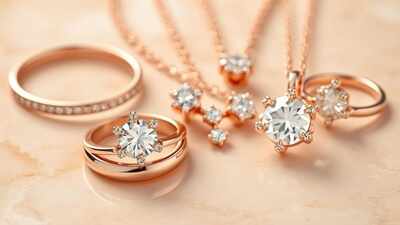

In recent times, jewelry enthusiasts have started paying closer attention not only to style and craftsmanship, but also to the origins of the stones they wear. Among the most talked-about innovations is the rise of aros con diamantes de laboratorio, lab grown diamonds, which have quickly become a symbol of modern elegance, sustainability, and conscious luxury. These stones are visually identical to natural diamonds, yet their story and value proposition differ in ways that are reshaping the jewelry industry.
What Are Lab Grown Diamonds?
Lab grown diamonds, sometimes called cultured or synthetic diamonds, are created in controlled laboratory environments that replicate the natural conditions under which diamonds form deep within the Earth. Unlike diamond simulants such as cubic zirconia or moissanite, these stones are chemically, physically, and optically identical to mined diamonds. The only difference is their origin.
How Are They Made?
Scientists use two main methods to grow these diamonds:
- HPHT (High Pressure High Temperature): This process mimics the natural pressure and heat that forms diamonds underground.
- CVD (Chemical Vapor Deposition): A more modern technique where carbon atoms are layered onto a diamond seed to grow a crystal over time.
Both methods produce gems of remarkable clarity and brilliance. When set into jewelry such as rings, necklaces, or earrings, lab grown diamonds are indistinguishable from mined stones—even under the scrutiny of professional gemologists.
The Growing Popularity of Diamond Earrings
Earrings, or aros con diamantes de laboratorio, have become one of the most popular jewelry pieces featuring lab grown gems. This trend is driven by a blend of style, affordability, and ethical considerations.
Diamond earrings are timeless—they complement any outfit, elevate formal wear, and are versatile enough for everyday use. When made with lab grown diamonds, these earrings offer additional benefits:
Key Advantages
- Affordability: Lab grown diamonds can cost 30–40% less than mined stones of the same quality, allowing buyers to invest in larger or higher-quality gems without exceeding their budget.
- Sustainability: Traditional diamond mining has raised environmental concerns, including deforestation, soil erosion, and ecosystem disruption. Lab grown options minimize these impacts, appealing to environmentally conscious consumers.
- Transparency: With a clear, traceable origin, buyers can be confident their diamonds are free from conflict or exploitative labor practices.
The Ethical Dimension of Lab Grown Diamonds
Ethics have become a major factor in modern purchasing decisions, particularly for luxury goods. Natural diamond mining, while regulated in many regions, has historically been linked to conflict financing and human rights issues. Although the industry has made significant efforts to address these problems, many consumers still feel uncertain about the supply chain.
This is where lab grown diamonds shine. Each stone comes with certification of its origin, ensuring complete transparency. For individuals who value peace of mind as much as beauty, earrings made with lab grown diamonds embody the perfect combination of elegance and ethics.
Design Possibilities with Aros con Diamantes de Laboratorio
One of the most exciting aspects of choosing lab grown diamonds is the design freedom they allow. Because these gems are more affordable, jewelers and consumers can experiment with bolder styles, larger carat weights, or unique settings without dramatically increasing costs.
Popular Designs
- Classic Studs: Timeless and versatile, these highlight the brilliance of the stone itself.
- Halo Earrings: Surrounding the central diamond with smaller accent stones creates a glamorous effect.
- Drop Earrings: Perfect for formal occasions, these designs use elongated settings to add elegance and movement.
- Modern Minimalism: Sleek, geometric settings showcase the clean sparkle of lab grown diamonds in contemporary fashion.
This variety ensures that whether someone prefers understated elegance or bold statement pieces, there is a lab grown diamond design that fits their taste.
Comparing Lab Grown and Natural Diamonds
It’s common for buyers to wonder whether choosing lab grown diamonds means sacrificing quality or long-term value. The reality is more nuanced:
Side-by-Side Comparison
- Quality: Lab grown diamonds often have fewer inclusions or imperfections compared to natural stones, thanks to controlled growth conditions.
- Value: While mined diamonds may retain higher resale value due to their rarity, the primary motivation for most jewelry buyers is personal enjoyment rather than investment.
- Durability: Just like natural diamonds, lab grown ones are exceptionally durable—ranking 10 on the Mohs scale of hardness. They can be worn daily without fear of scratching or losing brilliance.
In essence, the choice often comes down to personal values: do you prioritize rarity, or do you prefer transparency, sustainability, and affordability?
Why Millennials and Gen Z Are Leading the Trend
Market research reveals that younger generations are driving demand for sustainable luxury. For them, jewelry is not just about aesthetics but also about aligning purchases with personal beliefs. Aros con diamantes de laboratorio, lab grown diamonds, fit perfectly into this mindset.
What Younger Buyers Value
- Authenticity: They want to know the story behind their purchase.
- Sustainability: Reducing environmental impact matters deeply.
- Value for Money: Quality and beauty should not come at extravagant costs.
As a result, jewelers around the world are expanding their collections of lab grown diamond pieces, making them widely available in both online and brick-and-mortar stores.
The Future of Jewelry with Lab Grown Diamonds
Looking ahead, the jewelry industry is expected to see even greater integration of lab grown gems. Technological advancements will continue to improve production efficiency, allowing for larger, higher-quality stones at even more accessible prices.
Luxury brands are already beginning to embrace these gems, signaling that they are not simply a budget alternative, but rather a legitimate and desirable choice in their own right. Over time, the distinction between mined and lab grown diamonds may become less relevant, with both accepted as authentic expressions of beauty.
Conclusion
The rise of aros con diamantes de laboratorio, lab grown diamonds, represents more than a shift in jewelry trends—it reflects broader cultural values of responsibility, sustainability, and innovation. These diamonds embody the brilliance and durability that people have long associated with natural stones, while also offering transparency, affordability, and peace of mind.
Whether chosen for everyday elegance or special occasions, lab grown diamond earrings allow wearers to enjoy timeless beauty while making a conscious choice for the planet. As the industry evolves, these gems are poised to become not just an alternative, but the preferred option for the modern jewelry enthusiast.