





:max_bytes(150000):strip_icc()/7924253-02f43816ccbb4cdb98d7fd760a379b71.jpg "Easy Ways Calming Pet Treats Help Nervous Pets")


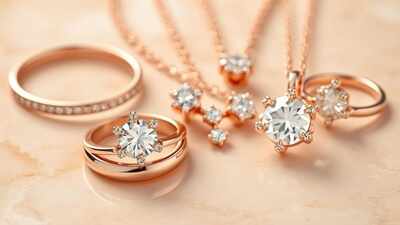

Lab created diamonds explained for real use
You are not shopping for a concept. You are shopping for something you will wear. Lab created diamonds exist to give you the same physical material as mined diamonds without the uncertainty that comes with mining.
A lab created diamond is not a substitute. It is diamond. The carbon structure is the same. The hardness is the same. The way it reflects light is the same. The difference is where it forms and how long it takes.
Instead of forming underground over millions of years, these stones are grown in controlled conditions. The process is measured and repeatable. This matters because it affects cost, consistency, and traceability.
If you are looking at lab created diamonds hoops, this foundation matters more than romance or origin stories. Hoops are daily jewelry. They get bumped, cleaned, and worn for long hours. You need material that holds up.
How lab created diamonds are made
There are two primary methods used to grow diamonds in a lab. Both produce real diamonds.
High pressure high temperature
This method recreates the conditions found deep in the earth. Carbon is placed under extreme pressure and heat. Over time it crystallizes into diamond.
This process often produces stones with growth patterns similar to mined diamonds. It is widely used for larger stones and industrial diamonds.
Chemical vapor deposition
This method uses a carbon rich gas and a diamond seed. Carbon atoms attach layer by layer to the seed. Growth is slow and controlled.
CVD diamonds often have fewer inclusions and allow more precision in color control. This is common in fine jewelry where clarity matters.
For you, the method matters less than the final grading. Both produce stones that meet the same gemological standards.
Why lab created diamonds fit hoop earrings
Hoops move. They catch light from different angles. They sit close to the face. This makes cut and consistency more important than size alone.
Lab grown stones offer tight control over matching. In a pair of hoops, visual balance matters. Small differences stand out.
Benefits for hoops include:
- Consistent color across multiple stones
- Predictable clarity levels
- Lower cost per stone allowing better cut
- Reliable supply for matched sets
Example
A pair of medium hoops with twenty stones each looks clean when every stone reflects light the same way. This is easier to achieve with lab grown diamonds.
Cost structure and what you actually pay for
Price is not just about origin. It is about waste, yield, and markup.
Mining produces large amounts of unusable material. Sorting and cutting add cost. Lab growth produces stones closer to the target size and quality.
For hoop earrings, this often means:
- Lower total price for the same carat weight
- Ability to choose higher clarity without a price jump
- More budget left for metal quality and craftsmanship
You are not paying less because the diamond is inferior. You are paying less because the process is efficient.
This matters if you want solid gold settings, secure clasps, and proper finishing. These features affect how long hoops last.
Quality checks that matter for daily wear
When evaluating lab created diamonds in hoops, focus on factors that affect durability and appearance over time.
Cut
Cut controls sparkle. In small stones, precision matters more than size. Look for well cut round or single cut stones designed for pavé or channel settings.
Clarity
You do not need flawless stones. In hoops, eye clean clarity is enough. VS or SI grades often look identical once set.
Color
Near colorless grades work well in white or yellow metal. Consistency across stones is more important than chasing a letter grade.
Setting security
Check prongs, channels, or bezels. Hoops get knocked. Secure settings prevent stone loss.
Example
A slightly smaller stone with a precise cut will outshine a larger stone with poor proportions.
Ethics and traceability without abstraction
If ethics matter to you, lab grown diamonds offer clarity. You know where the stone came from and how it was made.
There is no ambiguity about labor conditions or environmental disruption at the source. Energy use still matters, but it is measurable and improving.
This transparency appeals to buyers who want answers without having to trust vague claims.
Maintenance and long term ownership
Lab created diamonds do not require special care. Clean them the same way you would clean mined diamonds.
Basic care includes warm water, mild soap, and a soft brush. Avoid harsh chemicals on the metal.
Hoops benefit from periodic inspection. Clasps loosen over time. Prongs wear. This is normal for any fine jewelry.
The diamond itself will not degrade. It will not cloud or scratch easily. What matters is the setting.
Common myths cleared up
Some ideas persist even though they are outdated.
Myth
Lab grown diamonds are fake.
Reality
They are chemically and physically diamond.
Myth
They do not last.
Reality
They have the same hardness and wear properties.
Myth
They look different.
Reality
Appearance depends on cut and setting, not origin.
Understanding this helps you focus on real criteria instead of noise.
When lab created diamonds make the most sense
They are not the answer to every purchase. They make sense when you value consistency, cost control, and transparency.
They are especially practical for jewelry with multiple stones. Hoops, bands, and tennis bracelets benefit the most.
If you are considering lab created diamonds hoops, you are already in the category where this choice aligns with function.
Questions people ask before buying
Do lab created diamonds hold value?
They hold material value as diamond. Resale markets are still developing. Buy them for wear, not speculation.
Can jewelers repair settings with lab grown stones?
Yes. Jewelers treat them the same as mined diamonds during repairs and resizing.
Are lab created diamonds certified?
Reputable stones are graded by the same labs using the same standards.