





:max_bytes(150000):strip_icc()/7924253-02f43816ccbb4cdb98d7fd760a379b71.jpg "Easy Ways Calming Pet Treats Help Nervous Pets")


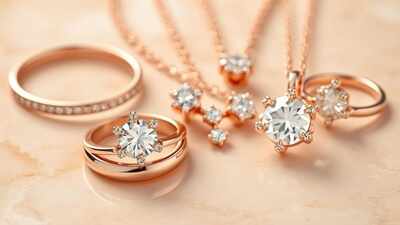
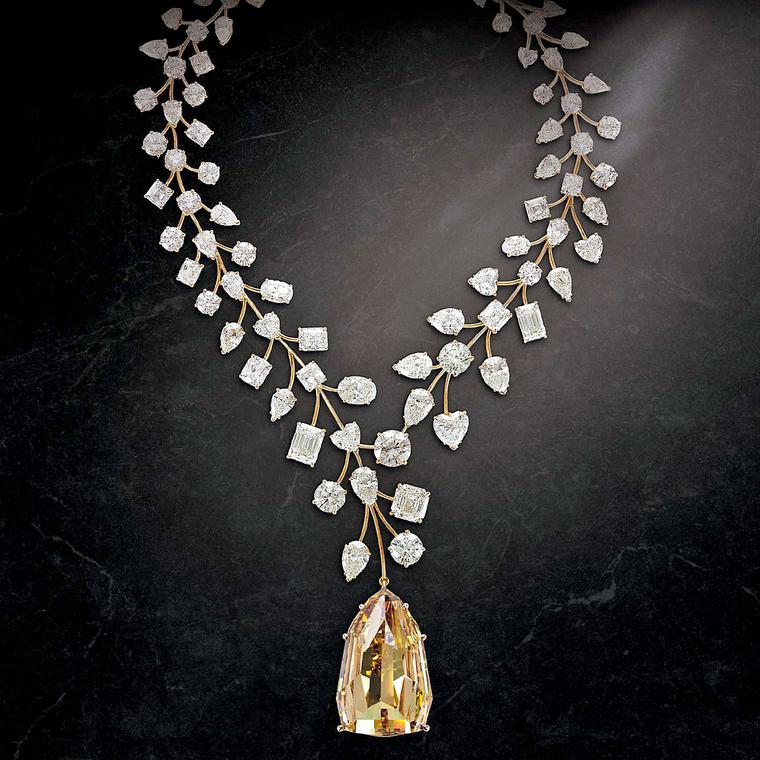
Let’s be honest… choosing a diamond can feel like stepping into a maze blindfolded. You’ve got the sparkle, the hype, and then, of course, the million-dollar question: lab grown diamond vs real diamond—which one actually makes sense for you? You might be surprised how many people still get stuck at this crossroad.
A Little Background (Because Context Matters)
Think about it: when was the last time a piece of jewellery actually told a story? Diamonds have been around for centuries, flaunting their “forever” vibe and, honestly, their hefty price tags. The “real” ones, mined straight from the Earth, carry a kind of mystique. There’s the thrill of knowing your diamond survived millions of years underground. Cool, right?
Then enter lab grown diamonds. These are the upstarts, the new kids on the block. But don’t mistake them for fake. They’re real diamonds—chemically, physically, and visually identical to mined ones. The only difference? Mother Nature didn’t have a hand in it. Instead, scientists did, creating dazzling gems in controlled labs. Some people call it modern magic. Others, a budget-friendly twist on a classic.
And here’s the kicker: lab grown diamonds are often more affordable. Like, significantly. You can get a bigger, shinier stone for the same price as a smaller mined diamond. So if you’re dreaming big without breaking the bank, these might just be your new best friend.
The Options: Trends, Advice, and a Little Reality Check
So, you’re staring at your options, wondering which way to go. Here’s a casual breakdown:
1. Real Diamonds
- Pros: They hold value (mostly). There’s an undeniable romance tied to natural origin. Also, bragging rights. Let’s face it, some people love the “this took a million years” story.
- Cons: Pricey. And ethically, not all mined diamonds are conflict-free. You have to dig… literally.
2. Lab Grown Diamonds
- Pros: More affordable, eco-friendly, and guilt-free. Honestly, knowing your sparkle didn’t come at a human or environmental cost is a relief. They’re also customizable in ways mined diamonds aren’t. Fancy a perfect cushion cut that costs less? Check.
- Cons: Resale value isn’t great yet. Some traditionalists might scoff (but hey, trends change).
Here’s a fun fact: millennials and Gen Z are increasingly leaning toward lab grown diamonds. Why? Sustainability, personalization, and sheer practicality. If you’re the type who prefers experiences over status symbols, lab grown might just feel right.
Also, pro tip: don’t get lost in the size vs clarity debate alone. Sometimes, a slightly smaller, perfect-quality lab grown diamond looks way better than a larger, flawed real diamond. Your eyeballs, honestly, will thank you.
Why Here Matters: A Local Perspective
Let’s zoom in. Whether you’re in Hong Kong, New York, or Sydney, the local jewellery scene changes the game.
For example, in Hong Kong, the market is bustling with options. You’ll find boutique stores offering both lab grown and real diamonds, often side by side. What’s cool? Local artisans are blending cultural motifs with modern diamonds. Imagine a sparkling lab grown diamond set in a jade-accented ring—it’s heritage meets innovation.
Meanwhile, mined diamonds often carry a sense of prestige here, partly due to marketing and tradition. But locals are becoming savvier. They’re realizing that lab grown diamonds can be equally dazzling, ethically sourced, and—dare we say—smarter purchases.
So, depending on where you are, the “diamond choice” isn’t just about the gem. It’s about style, values, and, yes, bragging rights with a modern twist.
How It Works: Diamonds Without the Mystery
If you’ve ever wondered, “Wait, how do they make lab grown diamonds?”—here’s the scoop, without turning it into a science lecture.
Step 1: Carbon Source
Take some pure carbon. You know, the same stuff in a pencil but refined.
Step 2: High-Tech Magic
There are two main ways:
-
HPHT (High Pressure, High Temperature): Basically recreates Earth-like conditions in a lab. Heavy, intense, a little dramatic.
-
CVD (Chemical Vapor Deposition): Think sci-fi. Carbon gas turns into solid diamond layer by layer. Patience required.
Step 3: Shaping and Polishing
Even a lab grown diamond starts as a rough crystal. Skilled hands (or robots!) cut, shape, and polish it until it shines like a star.
Step 4: Certification
Yep, they get graded, too. Color, clarity, cut, carat—the same jargon as real diamonds. No shortcuts here.
Honestly, once you see a lab grown diamond sparkle under sunlight, you’d be hard-pressed to tell it apart from its “natural” cousin. The human eye really can’t tell the difference.
Conclusion: Making Your Sparkle Choice
At the end of the day, lab grown diamonds aren’t just a trendy alternative—they’re a legit option that’s shaking up the diamond world. Whether you’re budget-conscious, eco-friendly, or just craving something a little different, they deserve a serious look.
So, lab grown diamond vs real diamond? It’s not just about money or origin. It’s about your story, your ethics, and your sparkle. Honestly, whichever one you pick, make sure it feels right for you. After all, diamonds aren’t just stones—they’re memories, milestones, and sometimes a little piece of magic you get to wear every day.