





:max_bytes(150000):strip_icc()/7924253-02f43816ccbb4cdb98d7fd760a379b71.jpg "Easy Ways Calming Pet Treats Help Nervous Pets")
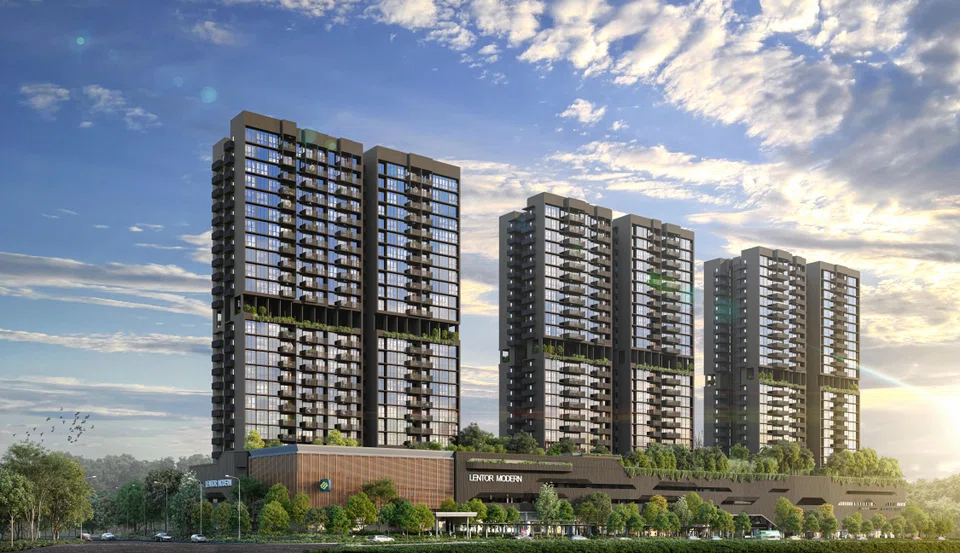



Imagine two brand new condominiums, both in prime locations: a sprawling development like Thomson View Developer and a boutique luxury residence on Dunearn Road. On paper, they might boast similar square footage or a comparable number of rooms. However, step inside, and the difference can be stark – a difference often dictated by one critical, yet often overlooked, factor: the reputation and philosophy of the developer.
It’s not just about the external aesthetics or the brand of the kitchen appliances. A reputable developer’s influence penetrates the very core of your daily life, most notably in the efficiency of the floor plan. This isn’t just about minimizing common areas; it’s about maximizing liveable, usable space within your private sanctuary.
Here’s why a reputable developer matters immensely, particularly regarding floor plan efficiency:
Pointers: The Developer’s Invisible Hand in Your Home’s Design
The Visionary Architect Selection & Brief:
- Reputable Developer: Invests heavily in engaging top-tier architects and interior designers known for innovative and practical designs. They provide a clear, detailed brief that prioritizes liveability, natural light, ventilation, and functional layouts over simply maximizing Gross Floor Area (GFA) for sales.
- Less Reputable Developer: May opt for cheaper architectural firms or dictate a brief solely focused on cramming the maximum number of units or bedrooms, often at the expense of internal flow and spaciousness.
Beyond Square Footage: The Usable Space Premium:
- Floor plan efficiency isn’t just about the numerical square footage. It’s about how much of that space is genuinely usable and functional.
- Reputable Developer: Designs with furniture placement in mind, ensures minimal wasted corridor space, strategically places structural columns to avoid awkward intrusions, and provides adequate, well-integrated storage solutions (e.g., built-in wardrobes that don’t eat into room space, smart utility areas). They understand that an extra 50 sqft of odd-angled space is less valuable than 20 sqft of perfectly square, functional room.
- Less Reputable Developer: Units often feature long, narrow corridors, oddly shaped rooms that make furniture arrangement a nightmare, oversized air-conditioner ledges, or balconies that are too narrow to serve any practical purpose, effectively wasting considerable space.
Optimal Natural Light & Ventilation:
- Reputable Developer: Their design philosophy often includes careful orientation of units to capture prevailing winds and maximize natural light, reducing reliance on artificial lighting and air conditioning. This impacts window placement, room depth, and even the layout of internal walls.
- Less Reputable Developer: May sacrifice these crucial elements for plot ratio optimization, resulting in darker, stuffier units that feel less inviting and incur higher utility bills.
Case Study: Thomson View (Hypothetical New Development)
- Imagine a new Thomson View development replacing an older estate. A reputable developer would approach this with a deep understanding of its surroundings – the views, the greenery, the community.
- Developer A (Reputable): Might design units with expansive windows framing the Upper Thomson greenery, create deep, usable balconies for alfresco dining, and ensure bedrooms are sufficiently distanced for privacy. Common areas like living and dining rooms would flow seamlessly, allowing for flexible furniture arrangements catering to families. Storage would be well-integrated near the entrance and in bedrooms.
- Developer B (Less Reputable): Might prioritize squeezing in as many units as possible, leading to smaller, less private balconies, awkwardly shaped living rooms where you can’t place a full sofa, or bedrooms with limited space around the bed, making the unit feel cramped despite its stated size.
Case Study: Dunearn Road Condo (Hypothetical Luxury Boutique)
- On a prestigious Dunearn Road site, the expectations are even higher. Efficiency here means sophisticated functionality.
- Developer C (Reputable): Would focus on creating a luxurious sense of space with impeccable flow. Think column-free living and dining areas, well-appointed kitchens with smart storage and integrated appliances, master suites with walk-in wardrobes, and elegant, private en-suite bathrooms. Every inch would feel purposeful and premium, reflecting the high-end market.
- Developer D (Less Reputable): Might deliver a unit with structural columns disrupting the living space, a small, uninspired kitchen that struggles to fit high-end appliances, or bathrooms that feel dated and cramped, severely undermining the luxury perception and the unit’s value.
Future-Proofing & Adaptability:
- Reputable Developer: Often incorporates design elements that allow for future flexibility, such as non-structural internal walls that can be reconfigured (e.g., merging a common room into the living area), or spaces that can adapt from a home office to a nursery. They anticipate evolving lifestyle needs.
- Less Reputable Developer: Designs are rigid, making it difficult or costly for homeowners to customize their space to suit changing family dynamics.
Build Quality & Structural Efficiency:
- Reputable Developer: Utilizes construction methods and materials that allow for more open-plan living and fewer intrusive structural elements (e.g., fewer columns, thinner load-bearing walls where possible). This directly impacts the flexibility and efficiency of the internal layout.
- Less Reputable Developer: May use less efficient structural designs that result in more prominent columns or awkward beam placements, forcing architects to work around these limitations, often to the detriment of the floor plan.
In conclusion, the choice of a home is one of the most significant investments we make. While external aesthetics and location draw us in, it’s the invisible hand of a reputable developer that ensures the space we actually live in is thoughtfully designed, efficient, and truly enhances our daily lives. Whether it’s the expansive potential of a Thomson View or the refined elegance of a Dunearn Road Developer residence, the mark of a good developer lies in transforming mere square footage into genuinely liveable, functional, and delightful homes. Always look beyond the facade; scrutinize the floor plan, because that’s where the developer’s true commitment to quality and liveability truly manifests.