





:max_bytes(150000):strip_icc()/7924253-02f43816ccbb4cdb98d7fd760a379b71.jpg "Easy Ways Calming Pet Treats Help Nervous Pets")
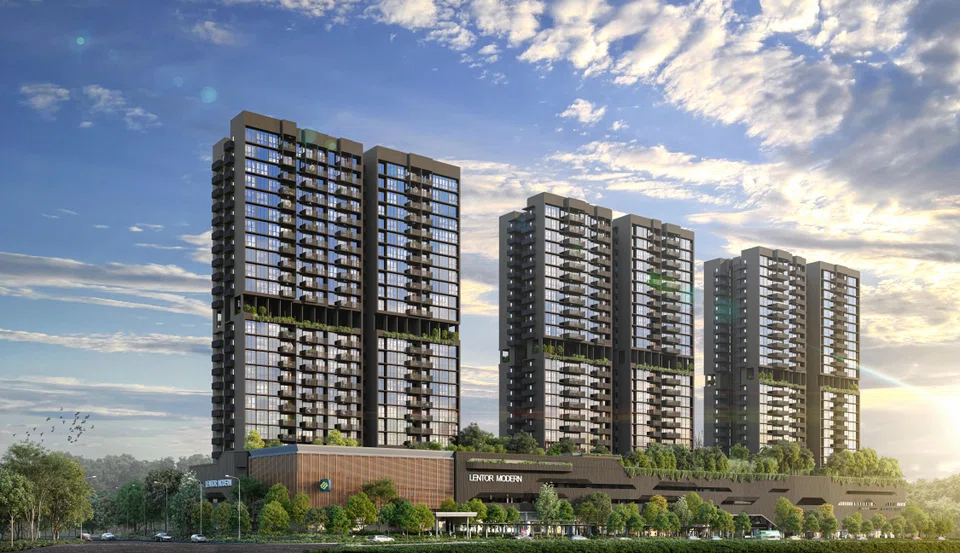



The Sen Condo, with its promise of modern urban living, offers a blank canvas for homeowners eager to infuse their personal style. But beyond aesthetics, there’s a growing imperative to ensure our living spaces are not just beautiful, but also kind to the planet and our wallets in the long run. Sustainable renovation, when done right, transforms your unit at The Sen into an eco-conscious sanctuary. However, the path to a truly green home is fraught with common pitfalls. Let’s explore how to navigate these traps, aspiring to the comprehensive excellence seen in projects like the Tengah Gardens Residences BCA mark design.
Why Go Green at The Sen?
Before diving into the traps, understand the compelling reasons for sustainable renovation:
- Environmental Stewardship: Reduce your carbon footprint, minimize waste, and conserve vital resources like water and energy.
- Economic Savings: Lower utility bills through efficient systems and materials. Sustainable homes often command higher resale values.
- Enhanced Well-being: Better indoor air quality, natural light, and a connection to nature contribute to a healthier, happier living environment.
- Future-Proofing: Adapt your home to evolving climate challenges and energy costs.
Common Traps to Avoid in Your Sen Condo Renovation:
Trap 1: The Lure of Greenwashing and Superficial Fixes
- The Pitfall: Many products are marketed as “eco-friendly” without genuine substantiation. Swapping out lightbulbs for LEDs is good, but if it’s the only thing you do, you’re missing the bigger picture. Greenwashing can lead to misguided investments in products that don’t deliver true environmental benefits or, worse, have a high embodied energy cost.
- How to Avoid: Look beyond catchy labels. Research product life cycles, certifications (like the Singapore Green Label or FSC for timber), and the actual impact of manufacturing and disposal. Prioritize changes that offer significant, measurable improvements in energy or water consumption, or indoor air quality. Think strategically, not just superficially.
Trap 2: Ignoring the “Invisible” Infrastructure
- The Pitfall: Homeowners often focus on the visible – new cabinets, fresh paint, stylish fixtures. But the true workhorses of a sustainable home lie beneath the surface: insulation, plumbing, electrical, and HVAC systems. Neglecting these for cosmetic upgrades is a missed opportunity for substantial savings and comfort.
- How to Avoid: Dedicate a significant portion of your budget to fundamental upgrades. Invest in energy-efficient air conditioning units, proper insulation (especially for walls facing direct sunlight), water-saving plumbing fixtures, and smart home systems that optimize energy use. The Tengah Gardens Residences BCA mark design exemplifies an integrated approach, where structural and utility elements are designed for efficiency from the ground up, not as an afterthought.
Trap 3: Overlooking Lifecycle Assessment & Embodied Energy
- The Pitfall: The “out with the old, in with the new” mentality, even for sustainability, can be counterproductive. Replacing perfectly functional items with new “green” ones can generate unnecessary waste and accrue significant embodied energy (the energy used to produce, transport, and dispose of a material).
- How to Avoid: Prioritize reuse, repair, and upcycling. Can your existing cabinets be refinished instead of replaced? Can old furniture be repurposed? When buying new, choose materials with recycled content, low embodied energy, and local sourcing to reduce transportation impacts. Consider the durability and end-of-life disposal of materials – will they be recyclable or contribute to landfills?
Trap 4: Neglecting Passive Design Principles
- The Pitfall: In a condo, it’s easy to rely solely on active systems like air conditioning. But ignoring how your unit interacts with the environment – sunlight, wind, and heat gain – means you’re constantly fighting against nature rather than working with it.
- How to Avoid: Embrace passive design. Optimize natural light to reduce the need for artificial lighting during the day. Improve cross-ventilation where possible by strategically placing furniture or utilizing window types. Consider shading solutions for windows that receive harsh afternoon sun. These strategies drastically reduce energy consumption while enhancing comfort. Many BCA Green Mark projects, including elements found in Tengah Gardens Residences, ingeniously integrate passive cooling and lighting strategies.
Trap 5: Lack of Long-Term Planning & Maintenance
- The Pitfall: Sustainable materials often come with specific maintenance requirements or need to be chosen for their longevity. Opting for cheaper, less durable options or failing to plan for ongoing upkeep can negate initial sustainable choices.
- How to Avoid: Select durable, low-maintenance materials that will stand the test of time. Understand the care instructions for your sustainable finishes. Plan for future scalability and adaptability. A well-maintained sustainable home remains efficient for decades.
Trap 6: Failing to Engage Qualified Professionals
- The Pitfall: Sustainable renovation isn’t just about picking green products; it’s about integrated design and execution. Attempting complex sustainable upgrades without professionals experienced in green building can lead to suboptimal results, or even costly mistakes.
- How to Avoid: Seek out architects, interior designers, and contractors with proven experience in sustainable design and construction. Look for professionals accredited with BCA Green Mark expertise. Their knowledge of local regulations, climate considerations, and best practices (like those applied in Tengah Gardens Residences) will ensure your Sen Condo renovation achieves its full sustainable potential.
By understanding and actively avoiding these common traps, your renovation at The Sen Condo can transcend mere aesthetics. It becomes an intelligent investment in your comfort, your finances, and our collective future, proving that sophisticated urban living and environmental responsibility can beautifully coexist. Aspire to the benchmark set by projects with the BCA Green Mark – a holistic approach that truly makes a difference.