


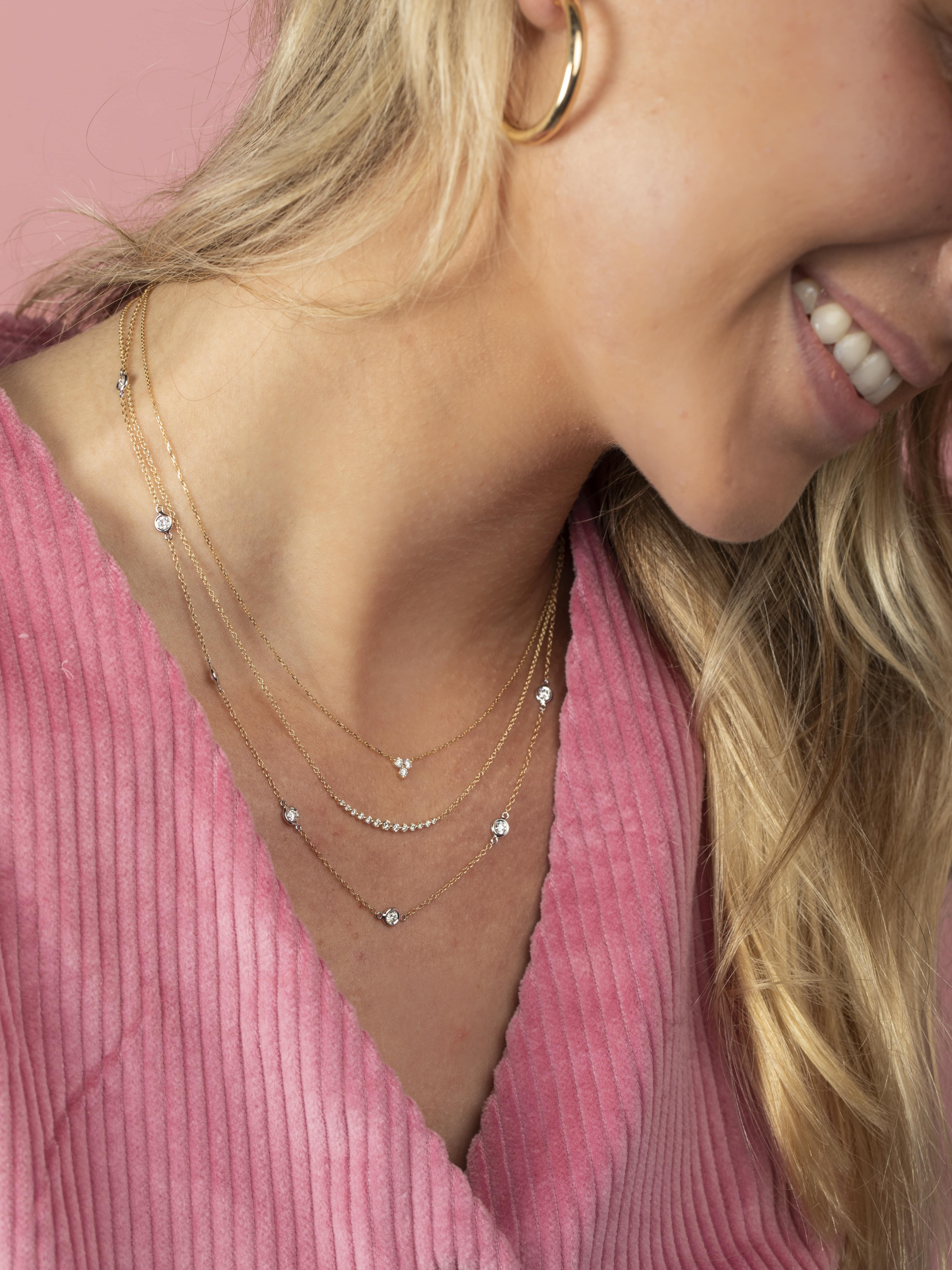
Ever wondered what makes a diamond really shine? And no, I’m not just talking about sparkle under the lights at Tiffany’s. Let’s be honest—these days, most of us care about more than just the glitter. Enter hpht diamonds and the world of lab created diamonds, a space that’s quietly taking over the jewelry scene. You might be surprised how much there is to know, and honestly, it’s kind of fascinating.
A Little Background: How We Got Here
Think about it: when was the last time a piece of jewelry actually told a story beyond “I bought this because it’s pretty”? For centuries, diamonds were all about rarity and bragging rights. Natural diamonds, mined deep in the earth, carried this aura of luxury and status. But mining has its downsides—environmental impact, ethical concerns, and let’s face it, the price tags can be outrageous.
Now, enter lab-created diamonds. Specifically, HPHT diamonds—High Pressure High Temperature diamonds. Fancy, right? Essentially, scientists figured out how to recreate the conditions of the earth’s crust in a lab. Voilà! A diamond that’s chemically, physically, and visually identical to mined diamonds, but without the guilt trip.
I mean, isn’t it wild? Technology literally bending nature to our will. And honestly, if someone had told me ten years ago that you could grow a diamond in a lab that looks exactly like the real thing, I’d have raised an eyebrow. But here we are.
Options, Trends, and Advice: Picking Your Perfect Lab-Created Diamond
If you’re thinking of dipping your toes into this sparkling world, you’ve got options. And trust me, they’re fun to explore.
-
HPHT vs. CVD
Yep, there’s more than one way to grow diamonds. HPHT is just one method. The other popular method is CVD (Chemical Vapor Deposition). Quick breakdown: HPHT is like recreating the earth’s furnace, while CVD is more like… chemistry class, but make it luxury. Personally, I find HPHT diamonds fascinating because of the precision and sheer tech behind it. -
Customization is Key
Let’s be honest—your engagement ring shouldn’t look like everyone else’s. Lab-created diamonds make it easier to customize without breaking the bank. Want a slightly warmer hue? Done. A particular cut that catches the light just right? No problem. -
Price vs. Value
Here’s the kicker: lab-created diamonds can cost 30–50% less than mined diamonds. And yes, they still sparkle, refract, and dazzle just as much. Sometimes, spending a bit less means splurging elsewhere—maybe a more intricate setting or an extra gem for flair. -
Ethics Matter
Honestly, if you care about the planet (and most of us should), lab-created diamonds win here. No massive excavation projects. No questionable labor practices. Just pure science and a touch of artistry.
Why Lab-Created Diamonds Are Perfect Locally
Now, if you’re based in Hong Kong—or really, any global city with a love for luxury—lab-created diamonds are quietly becoming the go-to. Why?
- Accessibility: Jewelers here are catching on. They stock HPHT diamonds alongside natural stones. So you can compare without flying to Antwerp.
- Customization Culture: Hong Kong loves bespoke. People want something that stands out, not a cookie-cutter design. Lab-created diamonds fit perfectly into this mindset.
- Trendy but Smart: Let’s face it, locals are stylish but savvy. Spending less on the diamond itself to afford a killer setting or designer piece? Genius.
Honestly, walking into a Hong Kong jewelry district today, you might notice more lab-created diamonds on display than you’d think. And they’re not just for engagement rings anymore—earrings, necklaces, even statement rings. The versatility is pretty awesome.
The Process: How HPHT Diamonds Actually Work
Okay, here’s where it gets kind of cool—and a little geeky. Let me break it down step by step, casually.
-
Seed Creation – You start with a tiny diamond seed. Think of it as planting a diamond “baby.” Cute, right?
-
Extreme Conditions – The seed goes into a press that recreates earth-level pressures and temperatures. We’re talking thousands of degrees and pressures stronger than a car crushing machine. Not for the faint of heart.
-
Carbon Feeding – Carbon is added layer by layer, and over time, voila! The diamond grows. Slow and steady wins the race.
-
Cutting and Polishing – Even though it’s lab-grown, a diamond isn’t ready until a master cutter works their magic. And yes, sparkle is still king.
Honestly, it’s part science, part art, part sheer human obsession with perfection. Watching it all come together is like seeing a tiny miracle—or at least that’s how I feel.
Wrapping It Up
So, what’s the takeaway here? lab created diamonds, especially HPHT diamonds, aren’t just “fake” or “less than.” They’re a legit, ethical, and sometimes smarter alternative to mined diamonds. You get the sparkle, the story, and a lighter environmental footprint.
At the end of the day, it’s not just about bling. It’s about telling your story—your style, your values, your little slice of sparkle in the world. And honestly, isn’t that worth a closer look?